
Introduction
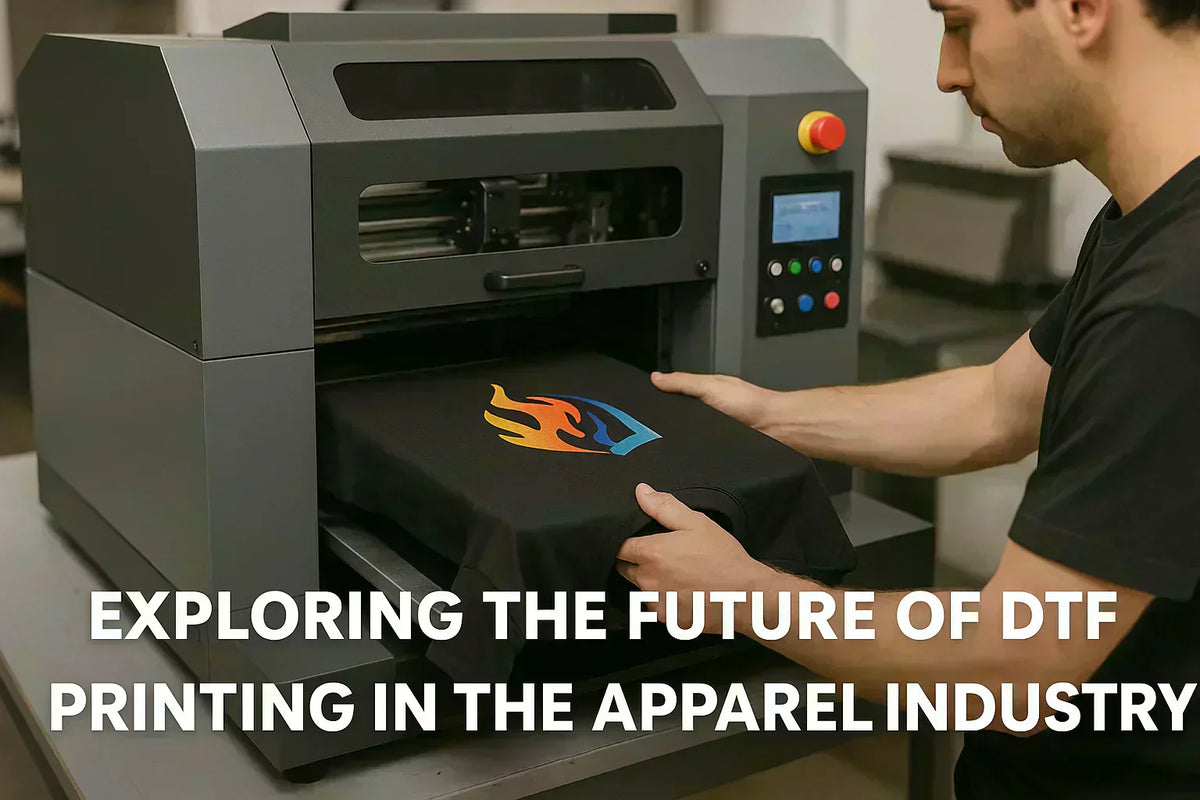
The custom apparel printing industry is changing rapidly, and the future of DTF Printing is becoming a major focus for apparel brands and print businesses. Custom DTF printing is growing in popularity because it offers vibrant print quality, works on multiple fabrics, and supports both small and bulk production with ease.
This growth is also reflected in the market itself. The global direct-to-film printing market was valued at USD 2,720 million in 2024 and is expected to reach USD 3,920 million by 2030, growing at a CAGR of 6.0% from 2025 to 2030. This shows how quickly businesses are adopting DTF technology across the apparel industry.
As new DTF Printing Trends continue to emerge, businesses are focusing more on automation, eco-friendly materials, faster production, and personalized apparel solutions. Staying updated with the latest 2026 DTF Trends and ongoing DTF printing news can help businesses stay competitive in the evolving custom printing market.
In this blog, we’ll explore the key trends, challenges, and opportunities shaping the future of DTF printing in the apparel industry
Key Takeaways
- DTF printing is becoming a popular choice for custom apparel businesses.
- It works on multiple fabric types and supports vibrant, high-quality prints.
- Growing demand for personalized and print-on-demand clothing is driving industry growth.
- New technology and eco-friendly materials are improving printing efficiency and durability.
What is DTF Printing?
DTF (Direct-to-Film) printing is an easy and vibrant method used to print designs on clothing. In this method, the artwork is first printed onto a special film using DTF ink. Then, a fine layer of glue powder is sprinkled over the printed area to help the design stick to the fabric. After heating, the design is transferred onto the cloth using a heat press.
The best part? There’s no need to pre-treat the fabric. DTF works great on various materials like cotton, polyester, blends, and denim. Whether you're printing just one shirt or many, it gives bright, long-lasting results every time.
Top Current Trends in DTF Printing
From AI-powered control to eco-friendly materials, the future of DTF printing is shaping a world where creativity meets efficiency for high-quality, sustainable apparel.

1. Smarter RIP Software
Modern RIP (Raster Image Processor) software is becoming more advanced and user-friendly. It helps improve color accuracy, sharpness, and print consistency while also reducing ink usage. This allows businesses to achieve better print quality while lowering production costs.
2. Automated Workflow
Many new DTF printing setups now include automation features that reduce manual work. Tasks like film feeding, powder application, and curing can now be handled automatically, helping businesses speed up production and improve workflow efficiency.
3. Powder Shakerless Technology
Newer DTF machines are being designed with built-in powder application systems, reducing the need for separate powder shakers. This creates a cleaner production process and helps improve consistency during printing.
4. AI-Powered Quality Control
Artificial Intelligence is slowly becoming part of advanced DTF printing systems. Some machines can now monitor print quality in real time and detect issues like missing colors, uneven prints, or alignment problems before production is completed. This helps reduce material waste and improves accuracy.
5. Improved Ink and Coatings
DTF inks are becoming more flexible, vibrant, and durable. Updated coating formulas also help transfers bond better with fabrics, resulting in smoother prints that last longer even after multiple washes.
6. Bigger Print Sizes with Higher Detail
Many DTF printers now support wider print areas and higher-resolution output. This allows businesses to produce large, detailed designs on hoodies, tote bags, banners, and other apparel products without losing image clarity.
7. Eco-Friendly Materials
Sustainability is becoming an important part of the apparel industry. Because of this, many manufacturers are introducing eco-friendly films, inks, and adhesive powders that help reduce waste and make the printing process more environmentally conscious.
8. Energy-Efficient Heat Presses
New heat presses and curing systems are designed to use less electricity while maintaining strong transfer quality. This helps businesses lower energy costs and improve overall operational efficiency.
9. Easy Connection with Online Stores
DTF printing is becoming more connected with ecommerce platforms and print-on-demand systems. Orders placed online can now move directly into the production workflow, helping businesses process custom apparel orders faster and more accurately.
10. More Demand for Personalized Clothing
Customized clothing continues to grow in popularity. DTF printing makes it easier for businesses to create one-off products, personalized gifts, event shirts, and limited-edition designs without needing large inventory or complex setup processes.
11. All-in-One DTF Printing Systems
The future of DTF printing is moving toward all-in-one machines that handle printing, powdering, and curing in one setup. This saves time, reduces manual work, and helps businesses produce consistent, high-quality prints more efficiently.
12. Faster and More Reliable Production
Speed and stability are improving fast. As part of the future of DTF printing, newer machines are built for longer production runs with fewer errors, helping businesses complete more orders without sacrificing print quality.
13. Expanded Material Compatibility
The future of DTF printing isn’t limited to t-shirts. New technology allows easier printing on different fabrics and products like bags, hats, and home décor, giving businesses more ways to grow.
14. Special Effects and Creative Finishes
From puff prints to metallic and glow effects, the future of DTF printing includes more creative design options. These special finishes help brands stand out and offer unique, premium-looking apparel.
15. Stronger White Ink Reliability
White ink has traditionally been one of the more challenging parts of DTF printing, especially on dark garments. In 2026, improved white ink formulas are delivering smoother coverage, stronger adhesion, and better durability. This helps create cleaner, brighter prints that resist cracking and fading over time.
16. Advanced Film Chemistry
DTF transfer films are also improving with upgraded coating technology. Modern hot peel and cold peel films now release more smoothly and perform better across fabrics like cotton, polyester, blends, and denim. These improvements help increase wash resistance and overall print durability.
17. Hybrid Workflows (DTF + DTG)
Many print shops are now combining DTF and DTG printing in the same workflow. This hybrid setup allows businesses to choose the best printing method depending on the garment and design requirements. DTG is often used for softer prints on cotton, while DTF provides vibrant results on a wider range of fabrics.
18. On-Demand Micro-Runs
More apparel businesses are moving toward smaller production batches instead of large inventory-based printing. DTF printing supports short-run and on-demand production, making it easier to create personalized items, limited-edition products, and custom event apparel with less inventory risk.
19. Improved Substrate Compatibility
Advancements in adhesive powders and ink technology are helping DTF printing work more effectively across different materials. Printers can now achieve reliable results on cotton, polyester, fleece, blends, and specialty fabrics, giving businesses more flexibility when offering custom apparel products.
What Challenges Could Shape the Future of DTF Printing?
As DTF printing continues to grow in the apparel industry, businesses may also face several challenges that could impact production, costs, and long-term sustainability. In this section, we’ll explore some of the key factors that may influence the future of DTF printing technology.
1. Environmental Concerns
DTF printing still uses plastic films and adhesive powders, which can create waste if not handled properly. Businesses may need to adopt more eco-friendly materials and recycling solutions.
2. High Equipment Costs
Modern DTF printers and automated systems can be expensive, making it difficult for some small businesses to invest in advanced equipment.
3. Competition from Other Printing Methods
DTF competes with screen printing, DTG, and sublimation printing. Each method has its own advantages depending on the fabric, design, and production volume.
4. Need for Skilled Operators
As DTF technology becomes more advanced, proper training is important. Incorrect machine handling can lead to print errors, wasted materials, and higher production costs.
5. Regular Maintenance Requirements
DTF printers require routine maintenance to maintain print quality and prevent technical issues, especially when working with white ink systems.
Predictions and Opportunities Ahead
The future of DTF printing looks bright, especially for small-batch and custom apparel businesses. Many experts believe that DTF printing will gradually replace traditional screen printing for smaller orders because it’s faster, more flexible, and easier to handle without much setup.
With the growing need for sustainable solutions, green technologies like biodegradable films and water-based inks are becoming more popular. These eco-friendly materials help reduce waste and make DTF a better option for the environment.
The print-on-demand fashion model is also on the rise. People want unique, personalized clothing without brands keeping large stocks. DTF makes this easy by allowing businesses to print one item at a time when an order is placed—saving space, money, and resources.
DTF printing is also expanding beyond t-shirts. In the coming years, it’s expected to grow into bags, home décor, accessories, and more, giving businesses more ways to earn.
Market Growth Insight:
The DTF printing market is growing fast. In 2022, DTF printing was worth $5 billion—and it’s expected to reach $14.81 billion by 2032, showing rapid growth. This shows how big the demand is getting—with more people and brands choosing DTF for its quality and convenience. As this growth continues, more businesses will adopt DTF to meet the rising need for custom, fast, and eco-conscious printing.

|
Year |
Market Size (in $ Billion) |
|
2022 |
$5.09 |
|
2023 |
$5.66 |
|
2024 |
$6.30 |
|
2025 |
$7.01 |
|
2026 |
$7.80 |
|
2027 |
$8.68 |
|
2028 |
$9.66 |
|
2029 |
$10.75 |
|
2030 |
$11.96 |
|
2031 |
$13.31 |
|
2032 |
$14.81 |
Also Read: Understanding the DTF Printing Process from Start to Finish
FAQs
Q1:- Is DTF printing suitable for every kind of fabric?
Ans: Yes, DTF printing works on a wide range of fabrics, including cotton, polyester, blends, denim, canvas, and fleece. This versatility is one of the main reasons behind the growing popularity of DTF printing in the apparel industry.
Q2:- Is DTF better than other methods?
Ans: DTF printing is ideal for detailed, full-color designs and works on multiple fabric types. However, the best printing method depends on your production needs. For very large bulk orders, screen printing may still be more cost-effective.
Q3:- Do DTF prints last long?
Ans: DTF prints are known for their durability. With proper washing and care, high-quality DTF prints can remain vibrant and crack-resistant even after 50 to 100 washes.
Q4:- Is DTF printing eco-friendly?
Ans: DTF printing is becoming more eco-conscious as manufacturers introduce safer inks and recyclable materials. However, plastic films and adhesive powders still create environmental concerns, so the industry continues working toward more sustainable solutions.
Q5: How do I start a DTF printing business?
Ans: Start a DTF printing business by investing in essential equipment such as a DTF printer, heat press, curing unit, inks, and transfer films. Learn the DTF printing process and basic design software, choose a niche like custom t-shirts or hoodies, and sell through an online store or local partnerships.
Conclusion
The apparel industry is changing quickly, and the future of DTF Printing is becoming more important than ever. With better print quality, wider fabric compatibility, and growing demand for customized apparel, DTF printing is helping businesses create more flexible and efficient production workflows.
As technology continues to improve, upcoming dtf printing trends 2026 are expected to bring smarter automation, sustainable materials, and faster print-on-demand solutions. Businesses that adapt to these changes early can stay ahead in the competitive custom apparel market.
Whether you’re starting a clothing brand or expanding your print business, Aesthetic BK
offers reliable DTF printing services designed to help bring your custom apparel ideas to life with professional-quality results.

Leave a comment
All comments are moderated before being published.
This site is protected by hCaptcha and the hCaptcha Privacy Policy and Terms of Service apply.