Introduction
Custom headwear is trending across fashion, business, and promotional marketing. Companies and creators are exploring new hat design ideas to create unique pieces that represent their brand and style. A well-made hat is not only wearable but also a long-lasting way to stay visible.
These hats are perfect for merchandise lines, team uniforms, giveaways, and brand promotions. With so many options available today, making your own hats is more accessible than ever, whether you prefer bold logos or subtle hat embroidery ideas.Custom hats also pair perfectly with other high quality custom apparel, helping brands create a consistent and professional look.
In this guide, you’ll discover how to make custom hats step by step — from selecting the right style and materials to turning your design into a finished product you’ll be proud to share.
Key Takeaways
- Start with a clear purpose before creating your custom hats
- Choose a hat style that matches your brand and audience
- Keep your design simple, bold, and easy to recognize
- Select the right decoration method for a professional, long-lasting finish
Step 1 – Define the Purpose of Your Custom Hat
Before jumping into colors and logos, the first step in making custom hats is understanding why you’re making them. The purpose behind your hat will guide every design and production decision that follows.
Are you creating hats for promotion, fashion, or team use? Each goal leads to different custom hats ideas and design choices.
1):- Promotional Use
Businesses often explore custom hats for marketing and brand visibility. Promotional hats usually feature a bold logo, simple message, or clean design that’s easy to recognize from a distance. These hats work great at trade shows, events, and giveaways.
2):- Team or Staff Uniforms
If you’re making your own hats for employees or team members, comfort and durability become important. You may also want a clean, professional look using subtle hat embroidery ideas that match your brand colors.
3):- Fashion and Merchandise
For clothing brands and creators, Custom hats are all about style. Trendy fits, unique hat design ideas, and creative logo placements help turn hats into wearable merch that people actually want to buy.
4):- Events or Giveaways
Custom hats are also popular for festivals, fundraisers, sports events, and community programs. In these cases, designing a hat that’s fun, memorable, and easy to wear increases the chances that people will keep using it long after the event.
Step 2 – Choose the Right Type of Hat
A big part of making custom hats is choosing a style people will actually enjoy wearing. The shape and fit of the hat affect how your design looks and how often it gets used.
Here are some popular options to consider when exploring custom hats ideas:
1):- Snapbacks
Snapbacks have a structured front and flat brim. They’re great for bold logos and modern hat design ideas that need strong front visibility.
2):- Dad Hats
Dad hats are soft, relaxed, and casual. They’re popular in streetwear and perfect for lifestyle brands making their own hats.
3):- Trucker Hats
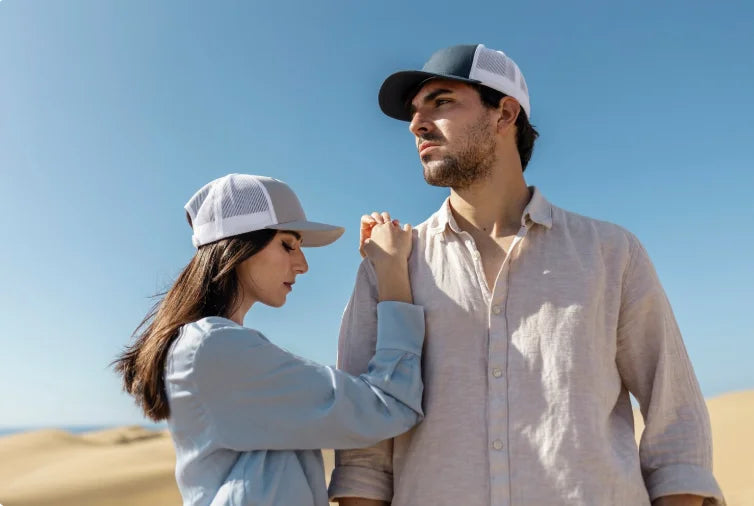
With a breathable mesh back, trucker hats are ideal for outdoor events and warm weather. They’re a fun and casual option for making custom hats.
4):- Beanies
Beanies are best for colder seasons and pair well with simple hat embroidery ideas on the front cuff.
5):- Performance Caps
Lightweight and moisture-wicking, these hats are great for sports teams and active brands creating functional custom hats ideas.
Step 3 – Select the Best Material
Material plays a big role in comfort, durability, and overall quality when learning how to make custom hats. The right fabric helps your hat look better and feel great to wear.
Here are common options to consider when exploring custom hats ideas:
1):- Cotton
Soft, breathable, and comfortable for everyday use. Cotton is a popular choice when making your own hats for casual wear or merchandise.
2):- Polyester
Lightweight and moisture-resistant, polyester is ideal for sports and activewear. It’s a smart option if you're focused on performance while learning how to make custom hats.
3):- Mesh
Often used in trucker hats, mesh improves airflow and keeps the head cool. Great for outdoor brands and warm-weather events.
4):- Wool Blends
Wool blends offer a more premium look and feel. They work well with structured caps and detailed hat embroidery ideas.
Step 4 – Create Your Hat Design
Now comes the fun part of how to make custom hats — bringing your idea to life through design. A clean, well-placed design is what turns a basic cap into something people actually want to wear.
When designing a hat, remember that you’re working with a curved surface, not a flat screen. Simple and bold designs usually look best.
1):- Logo Placement
Placement makes a big difference in strong custom hats ideas:
-
Front panel – Best spot for your main logo or bold text
-
Side panel – Great for small icons or secondary details
-
Back of the hat – Ideal for a website, slogan, or small symbol
Choosing the right placement is key when learning how to make custom hats that look balanced and professional.
2):- Text vs. Graphics
Some brands prefer simple text, while others use logos or icons. Clean and readable designs work best, especially if you’re using embroidery. Many classic hat embroidery ideas focus on bold lettering or minimal logos.
3):- Choosing the Right Colors
Color can make or break your design. High contrast between the hat and the artwork helps everything stand out. Many successful hat design ideas use just one or two strong colors for a clean, modern look.
Step 5 – Pick the Right Printing or Embroidery Method
An important part of how to make custom hats is choosing how your design will be added to the hat. The decoration method affects how the hat looks, feels, and how long the design lasts.
Different methods work better for different custom hats ideas, depending on how detailed or bold your artwork is.
1):- Embroidery for a Premium Look
Custom embroidery printing is one of the most popular options when learning how to make custom hats. It creates a raised, textured design that looks professional and long-lasting. This method works best for logos, text, and simple hat embroidery ideas without too many tiny details.
2):- DTF Patches or Transfers
Custom DTF transfers are great for colorful or highly detailed designs. If your artwork includes gradients, small elements, or multiple colors, this is a smart option when making your own hats.
3):- Screen Printing (When Applicable)
Screen printing is less common for structured hats but can work on certain soft styles. It’s usually best for simple, bold graphics when exploring how to make custom hats on flatter surfaces.
Step 6 – Choose Hat Colors That Match Your Brand
Color plays a huge role in how to make custom hats that grab attention and represent your brand the right way. The right color combination can make your design pop, while the wrong one can make it hard to notice.
When exploring custom hats ideas, always think about how the hat color and design color work together.
1):- Use Contrast for Visibility
High contrast helps logos and text stand out clearly. For example, light embroidery on a dark hat — or dark thread on a light cap — makes the design easier to see.
2):- Neutral vs. Bold Colors
Neutral colors like black, white, gray, and navy are versatile and easy to wear. They’re popular choices when making your own hats for merchandise.
Bold colors like red, green, or bright blue can feel more fashion-forward and help creative hat design ideas stand out.
3):- Match Thread or Print Colors
Your thread or print color should complement both your logo and the hat. Many clean and professional hat embroidery ideas use one or two thread colors for a polished finish.
Step 7 – Decide on Quantity and Budget
When learning how to make custom hats, planning your quantity and budget is just as important as the design. The number of hats you order affects your total cost, price per hat, and decoration options.
Thinking this through early helps you make smarter decisions while exploring different custom hats ideas.
1):- Bulk Orders vs. Small Batches
Bulk orders usually lower the cost per hat. This is helpful if you’re making your own hats for merchandise, staff uniforms, or large events. Smaller batches are better if you’re testing new hat design ideas or launching a limited edition style.
2):- Decoration Method and Cost
Embroidery, patches, and printing all come at different price points. Detailed hat embroidery ideas may cost more than simple text designs. When figuring out how to make custom hats, choose a method that fits both your design and your budget.
3):- How Quantity Affects Price Per Hat
In most cases, the more hats you order, the lower the price per piece. This is especially important if you plan to resell the hats after making your own hats for a brand or merch line.
Balancing quality, design, and order size is a smart way to manage costs while still getting great results when you make custom hats.
Step 8 – Review a Digital Mockup Before Production
One of the most important parts of making custom hats is reviewing a digital mockup before production begins. A mockup shows you what your finished hat will look like, helping you spot any issues early.
Even the best custom hats ideas can look different once placed on an actual hat, so this preview step really matters.
1):- Why Mockups Matter
Mockups let you see your design on the chosen hat style and color. This is especially important when designing a hat with embroidery or patches that need precise placement.
2):- Check Size, Placement, and Colors
Before approving, double-check:
- Logo size
- Position on the hat
- Thread or print colors
Small adjustments here can make a big difference in the final result.
3):- Approve with Confidence
Once everything looks right, you can approve the design for production knowing your hats will match your vision. This step reduces the chance of mistakes while making your own hats in larger quantities.
Taking a few extra minutes to review your mockup is a simple but powerful step in making custom hats professionally.
Step 9 – Production and Quality Check
Once your design is approved, production begins. This stage is a major part of making custom hats because your digital design is now becoming a real, wearable product.
A professional production process ensures your custom hats ideas look just as good in person as they did in the mockup.
1):- Stitch Quality
If you’re using embroidery, clean and tight stitching is essential. High-quality stitching makes hat embroidery ideas look sharp, durable, and professional. Loose threads or uneven lines can affect the final look.
2):- Print or Patch Durability
For printed or patch designs, durability matters. The design should be securely applied so it can handle regular wear.
3):- Color Accuracy
Colors should closely match your approved mockup. Whether you're making your own hats for branding or fashion, consistent color helps maintain a strong and recognizable look.
A proper quality check ensures every hat meets your expectations before it reaches customers, employees, or event attendees.
Step 10 – Receiving and Using Your Finished Custom Hats
Once production is complete, your hats are ready to make an impact. Understanding how to make custom hats doesn’t end with design and stitching — it also includes how you use them.
1):- Distribute to the Right Audience
Think about who should receive your hats:
- Customers as part of a merch line
- Employees or team members as uniforms
- Event attendees as giveaways
Smart distribution ensures your custom hats ideas reach the right people and get maximum visibility.
2):- Sell as Merchandise
If you’re in retail or eCommerce, hats can become popular products. Well-executed hat design ideas make them stylish, wearable, and desirable — not just promotional items.
3):- Use for Branding and Promotions
Custom hats act as mobile advertising. Every time someone wears one, your brand gets exposure. Clean logos and strong hat embroidery ideas help your branding stay visible and memorable.
Now you’ve seen the full process of how to make custom hats — from idea to finished product and real-world use.
Also Read: How to Make Custom Hoodies in 5 Easy Steps: Upload Your Design Today
FAQ Section
Q1):- What is the price of creating personalized hats?
Ans:- The cost of making your own hats depends on the hat style, material, decoration method, and quantity. Ordering in bulk usually reduces the price per hat.
Q2):- Are custom hats good for branding?
Ans:- Yes, custom hats are excellent for branding because they are wearable, long-lasting, and highly visible. They turn customers and staff into walking advertisements for your brand.
Q3):- What is the best method for custom hat designs?
Ans:- Embroidery is one of the best methods for custom hat designs because it looks professional, adds texture, and lasts a long time. Patches or transfers are better options for detailed or colorful artwork when making your own hats.
Q4):- What hats are best for custom designs?
Ans: Snapbacks, dad hats, trucker hats, and beanies are popular choices when you make custom hats. Structured hats are ideal for embroidery, while softer styles can work well with patches.
Conclusion
Now you understand how to make custom hats from start to finish — from setting a goal and designing a hat to choosing materials and decoration methods. Each step helps turn your idea into headwear people actually want to wear.
Custom hats are stylish, practical, and great for brand visibility. Whether you're making your own hats for merch, uniforms, or events, strong custom hats ideas can keep your brand seen everywhere.
With the right planning — and a reliable custom apparel partner like Aesthetic Bk — learning how to make custom hats becomes a simple way to create high-quality hats that represent your brand in a professional and memorable way.

1 comment
Brianweari
car hire saranda albania
Leave a comment
All comments are moderated before being published.
This site is protected by hCaptcha and the hCaptcha Privacy Policy and Terms of Service apply.